
The Burren—a place with a name that seems straight out of Richard Adams’ fantasy adventure Watership Down. Yet in reality, the Burren is a location in Ireland with a landscape vast and strange beyond all imagination. The scene is set in stone, with sedimentary limestone rock crackling across the surface of the plains. Yet in the cracks of the rocks new life defies all odds and sprouts and blooms.
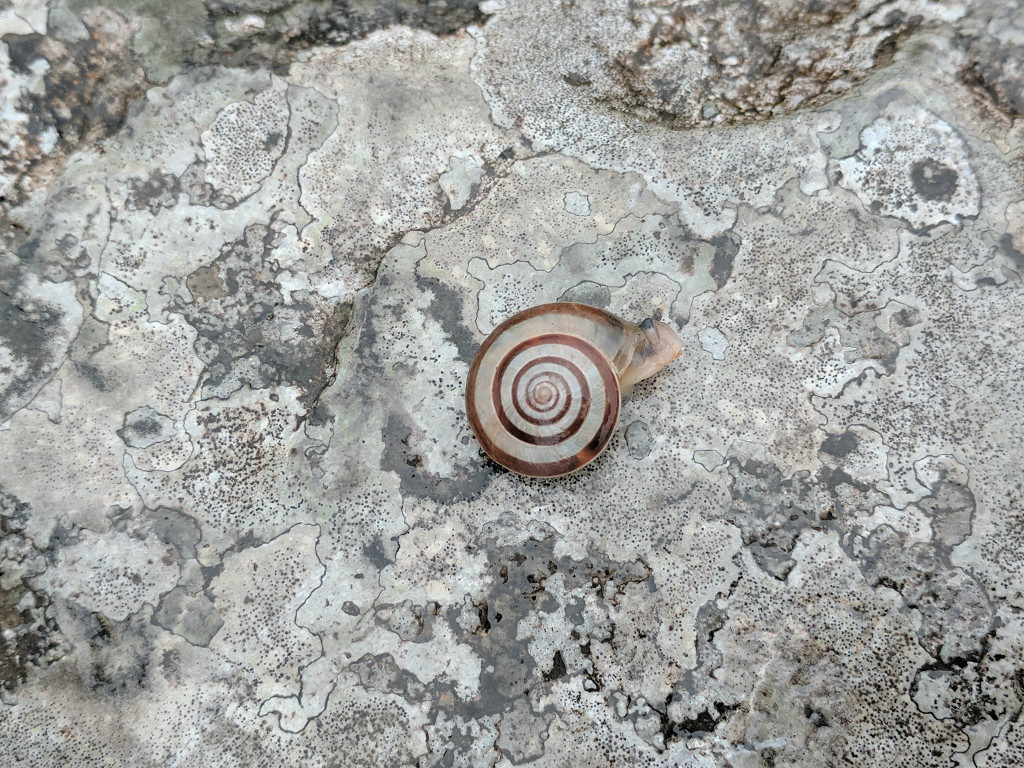
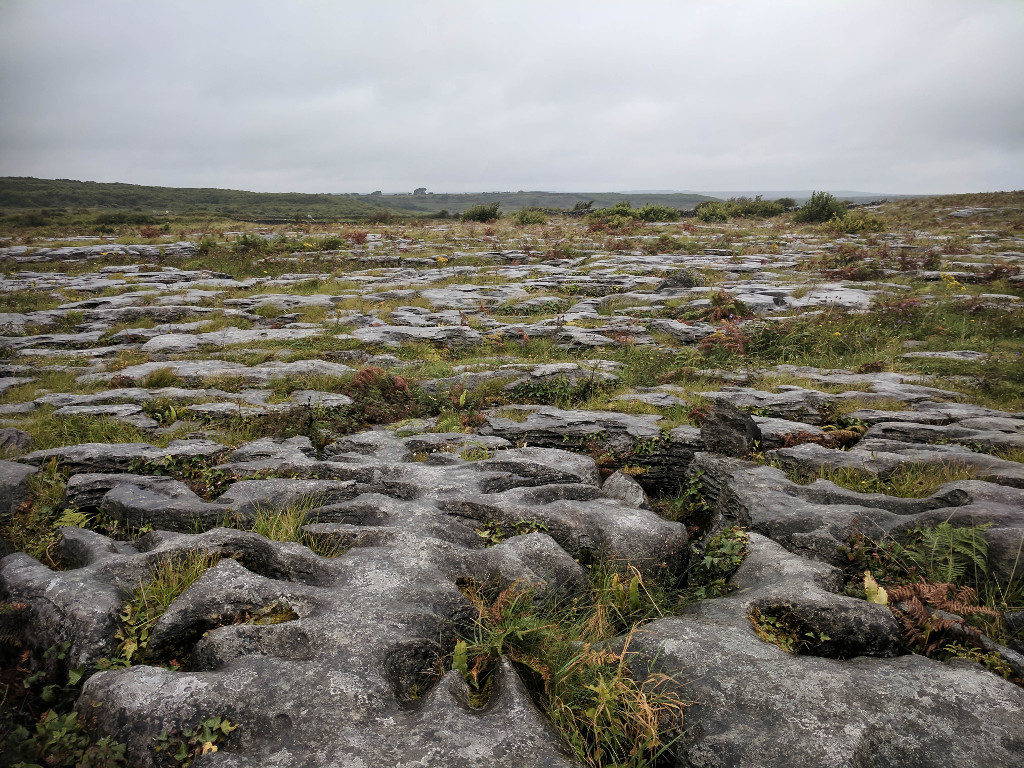 The word “Burren” comes from the Irish “Boíreann,” which means a “rocky place”…as this certainly is. This region has a remarkably temperate climate when compared with the rest of Ireland, as well as an annual rainfall that is more than twice that of eastern Ireland. While such a rocky place seems an odd place to find life, the glaciokarst landscape plays host to an array of normal and unusual rocks, animals, plants, insects, and birds—meaning the Burren is far more alive than it appears on first glance.

 Of all the plants that exist in Ireland, 75% of the different types can be discovered among the flora of the Burren. This makes the Burren an incredibly rich and diverse area for plant life. Visit and admire the plant life, but leave everything the way you found it as the landscape should be preserved for others to appreciate too and some of the plants are protected under European Legislation. Although I visited in early September, the month of May is one of the best times to go as it is generally the sunniest and many orchid species bloom later in the month. With 23 of the 27 types of orchids found in Ireland growing here, the Burren is a beautiful place to see in bloom.
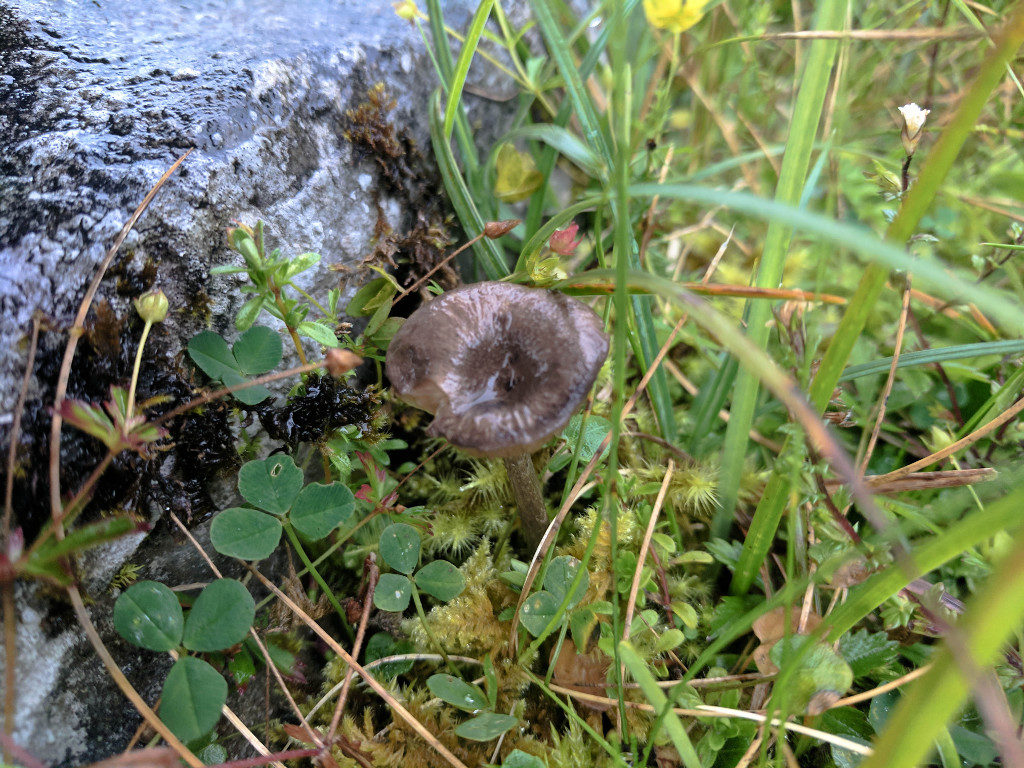
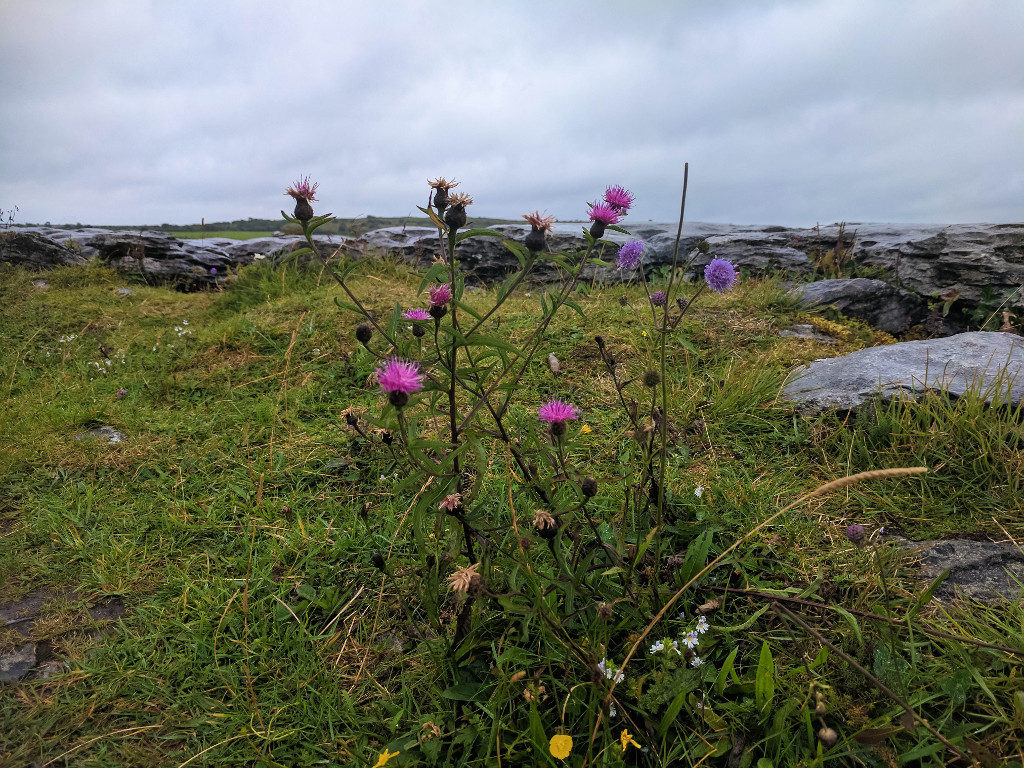 In the spring, other beautiful flowers like the gentian and the mountain avens flourish in this region. Additionally, in late spring to late summer you can spot bloody cranesbill (which sounds like an insult but is actually a beautiful and vibrant magenta-flowering ground cover). Also keep an eye out for the rare sword-leaved helleborine if you visit during this season.
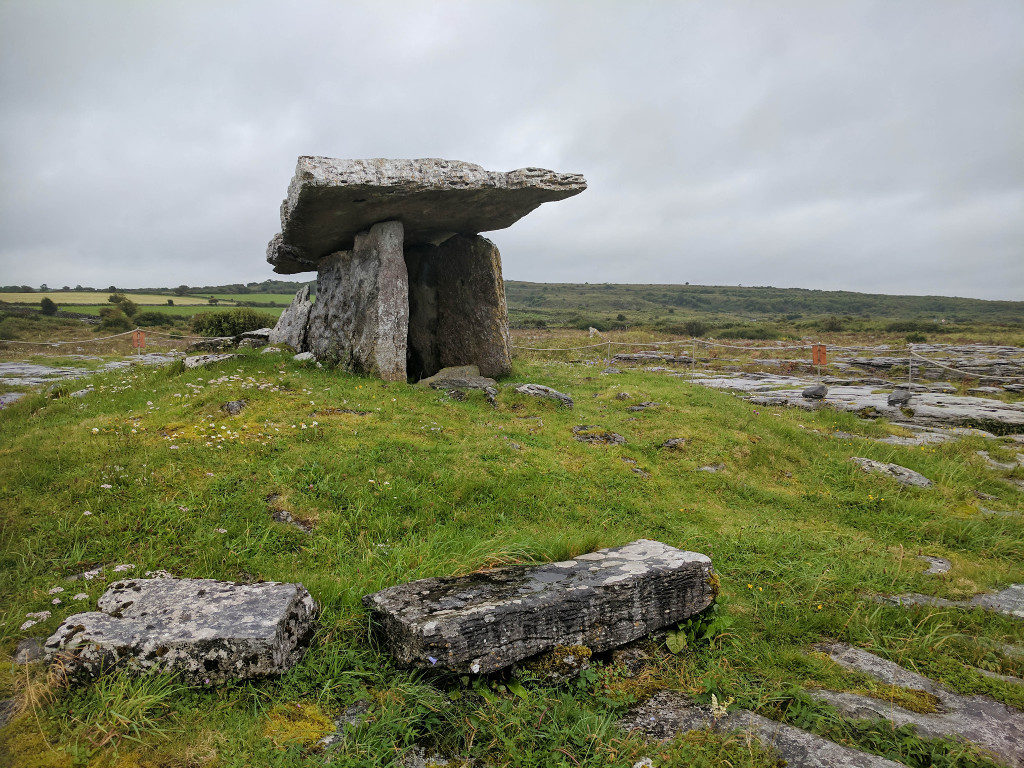
If you enjoyed the landscape but are looking to discover an interesting historical curiosity, check out Poulnabrone Dolmen—the local portal tomb. The dolmen is made up of two sets of upright parallel portal stones, which support the twelve-foot tabular capstone on a horizontal slant. In the case of Poulnabrone, another stone lies on the ground and would probably have acted as a second capstone to cover the back of the structure. Excavations from the 1980s proved that this tomb was an active burial site, as the remains of 21 people were found jumbled in the main chamber. If you are looking for an adventure à la Stonehenge while in Ireland then this is the place to go!
 If you decide to visit the Burren, stop by the Burren National Park Information Point to discover what the National Park has to offer and where to go. Within the park there are five marked walking trails and several areas of particular interest (like Poulnabrone Dolmen) and the staff at the information point are happy to help you learn about the park and decide what to see. Entry to the park and the information point is free, but while the park is open all year the information point is only open from April to September. Happy hiking!
Liked this post? Pin it!
