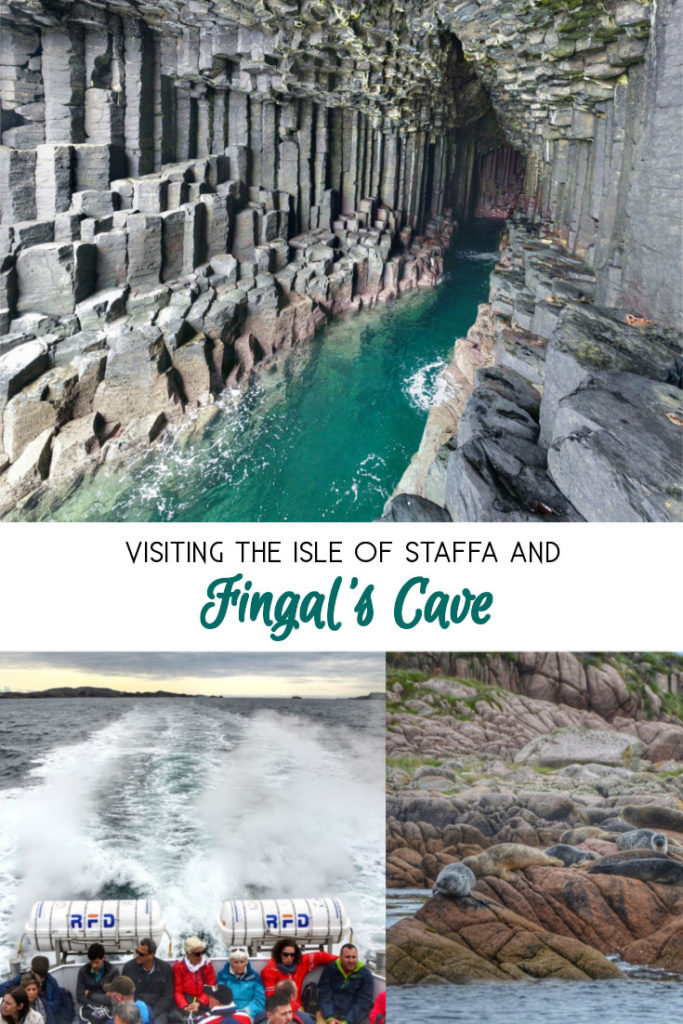
Baton in one hand and musical score in the other, I watched spellbound as pictures of Fingal’s Cave flashed by on the retractable projector screen. In this rectangular, yellow-tinted college classroom, Mendelssohn’s “Hebrides” Overture captivated me as I heard the flowing music and saw its real-life inspiration for the first time in my life. That term I learned not only how to conduct this gorgeous orchestral piece, but also learned that travel inspiration and wanderlust can strike at the most unlikely of times and in the most unlikely of places.

Called to Fingal’s Cave by the echoes of its music heard from across the sea, I knew I had to visit and see what made this place so captivating. So, when I set up my first trip to Scotland, I booked Staffa Tours from Oban to take me to the island so I could walk in Mendelssohn’s footsteps.
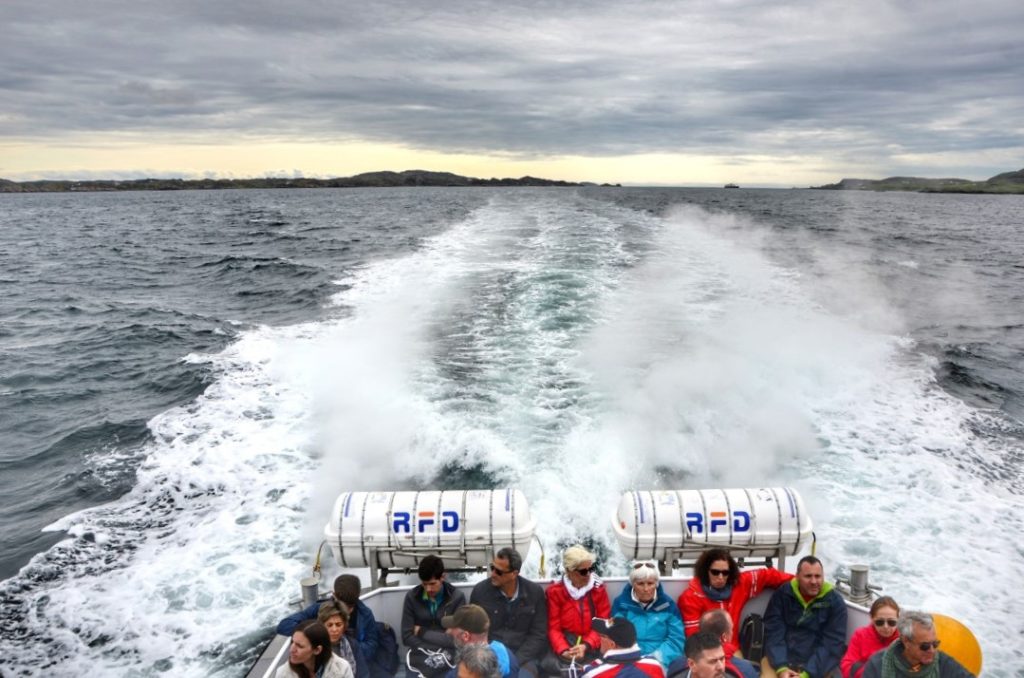
The day was cloudy but there was no rain, and the sea was “calm”—which more literally translates to “not as choppy as it usually is if you go when it’s raining.” The boat sat low in the water and sped across the sea, making it feel at times like you were too close to the sea. Yet the excitement of seeing seals and dolphins, as well as watching Staffa draw closer soon overrode any apprehension.

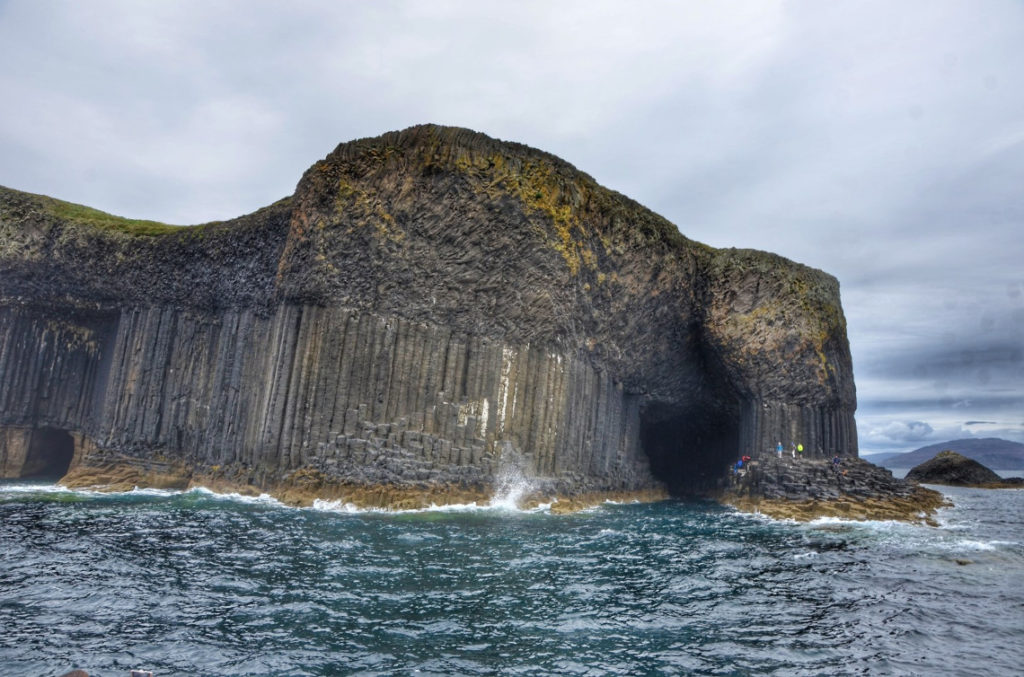
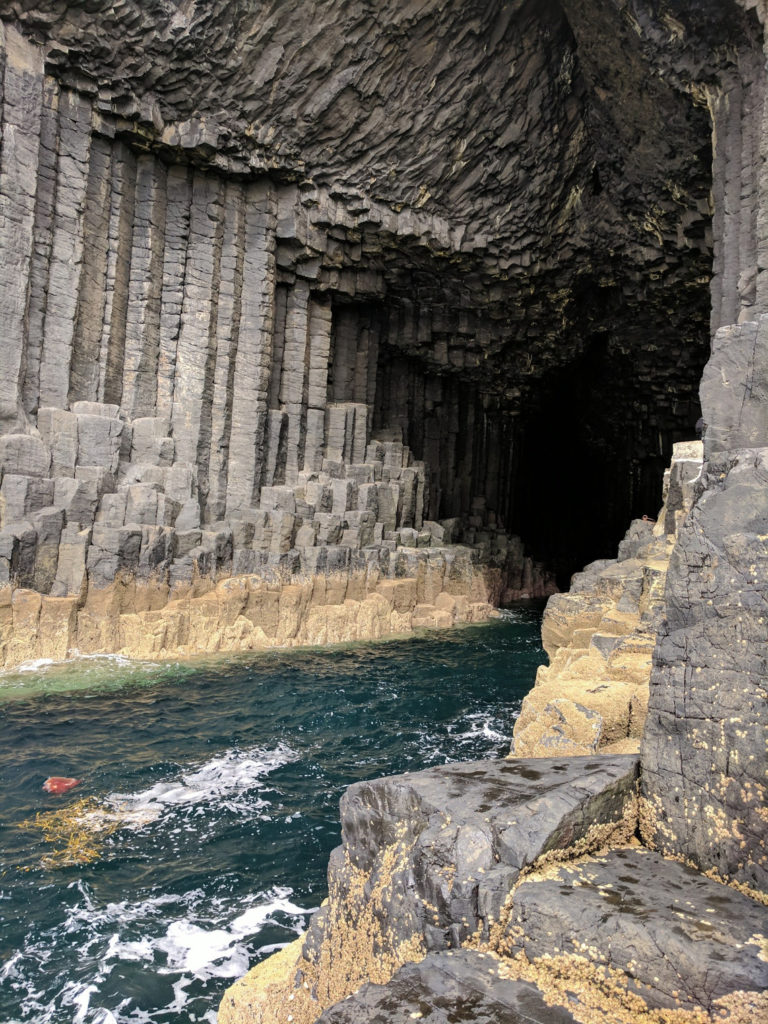
The island stands isolated in the dark waters, while the twilight of Fingal’s Cave invites viewers to explore its depths. Like the timpani in Mendelssohn’s overture, the waves roll against the rock formations ominously in spellbinding rhythms.
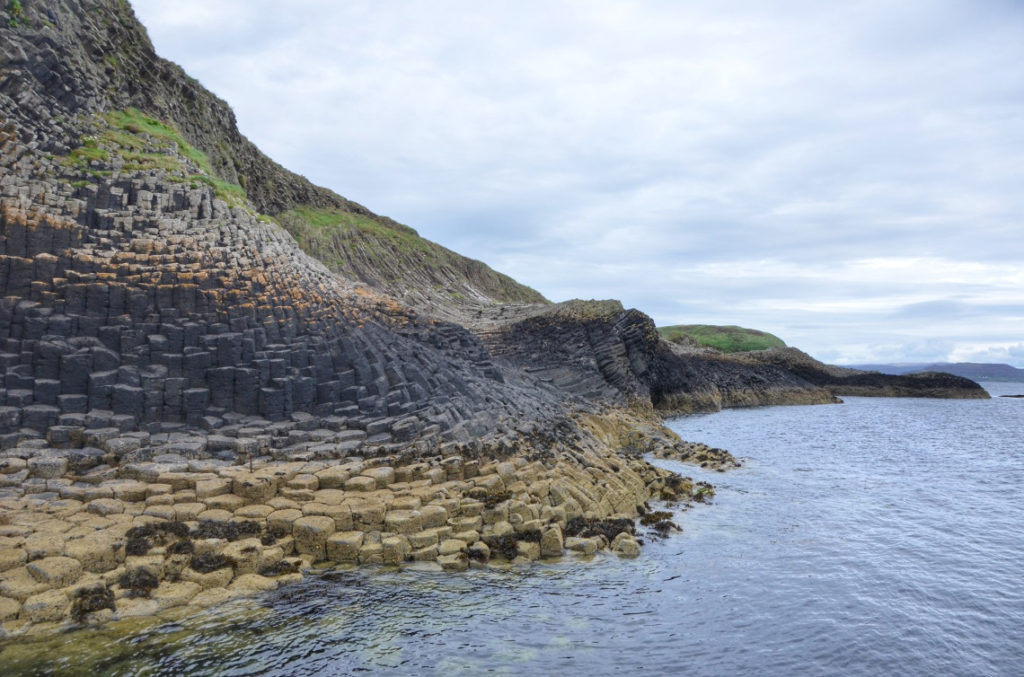
Stepping off the boat and onto the hexagonal rock is like stepping onto a myth. Cracked like hot coals, it is difficult to imagine these rocks remaining sturdy in the middle of the sea while waves beat against them. Yet this island does stand, and the rock creates natural stepping stones that are easy to walk across and reach the cave.

Edging into the cave by the right hand side, it becomes obvious why so many artists beyond Mendelssohn were also drawn to this wildly beautiful place. Keats, Wordsworth, and Jules Verne are just a few of the writers and poets who found this island so compelling, with Keats in particular writing of it as a spiritual place. The ghost in his poem Staffa states:
“Many a mortal of these days
Dares to pass our sacred ways;
Dares to touch, audaciously,
This cathedral of the sea!” – Staffa, John Keats
When visiting Fingal’s Cave, it is easy to see why it calls to mind a cathedral with its basalt rising to the ceiling in columns and the resonating echoes within the chamber.
In Wordsworth’s poem Cave Of Staffa, he also describes the feeling that visiting this island evokes:
“The pillared vestibule,
Expanding yet precise, the roof embowed,
Might seem designed to humble man, when proud
Of his best workmanship by plan and tool.
…
Ocean has proved its strength, and of its grace
In calms is conscious, finding for his freight
Of softest music some responsive place.” – Cave of Staffa, William Wordsworth
Standing in this place that inspired the first orchestral piece I learned to conduct was truly the fulfillment of a long-awaited dream. While there is much to explore on the top of the island as well, this cave–where so many artists have stood and wondered at its beauty—continues to be a magnetic and enchanted realm that draws visitors into its echoing depths from around the world.
Liked this post? Pin it!